

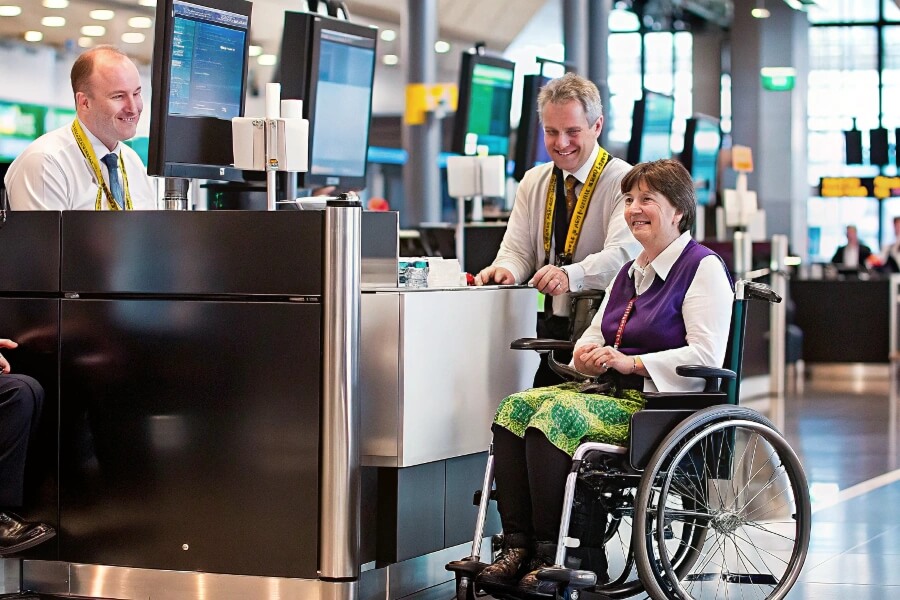
Improving Accessibility: How Airports Support Special Needs Travelers
Air travel can be a complex experience for any traveler, but it presents unique challenges for passengers with special needs. Fortunately, airports worldwide are working to create more accessible environments, enabling passengers with mobility, hearing, or visual impairments, as well as other disabilities, to travel more easily. This article explores how airports are improving accessibility and what travelers with special needs can expect today.
Improved Airport Infrastructure for Mobility Assistance
One of the most significant areas of progress is physical infrastructure. From wheelchair users to passengers who need assistance with long-distance walking, airports are upgrading facilities to make navigation genuinely easier rather than merely compliant.
Ramps, Elevators and Level Access
Modern airports have ramps and elevators designed to accommodate wheelchairs at every transition point — between arrivals halls, departure levels, and connecting walkways. Level boarding bridges are increasingly standard, eliminating the need for stairs between the terminal and the aircraft.
Accessible Restrooms and Facilities
Dedicated restrooms with wider doors, grab bars, lower sinks, and changing facilities are available in most international airports. Priority parking spaces near terminal entrances are reserved for travelers with disabilities, significantly reducing walking distances.
Electric Mobility Assistance
Airports routinely operate electric golf cart services to transport passengers with limited mobility across large terminals. At major hubs where gates can be 20 minutes apart on foot, this service is not a luxury — it is essential.
Special Assistance Services for Seamless Travel
Beyond infrastructure, airports and specialist providers offer personal assistance services that accompany the passenger through every stage of the journey.
Pre-Booking and Coordination
Most airports encourage passengers with special needs to pre-book assistance before arrival. This allows staff to coordinate meet points, prepare equipment, and ensure continuity of care from check-in through to boarding without gaps or handover confusion.
Personal Escort Services
Trained staff escorts passengers through security, immigration, and boarding gates — managing the entire airport process on the traveler’s behalf. For passengers with severe mobility limitations or those traveling alone, this service eliminates the anxiety of independent navigation.
Meet & Greet for Special Needs Travelers
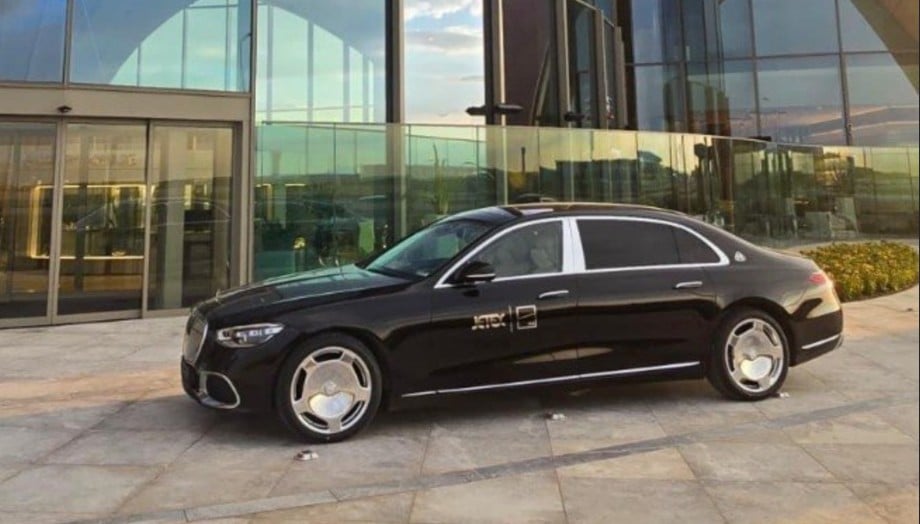
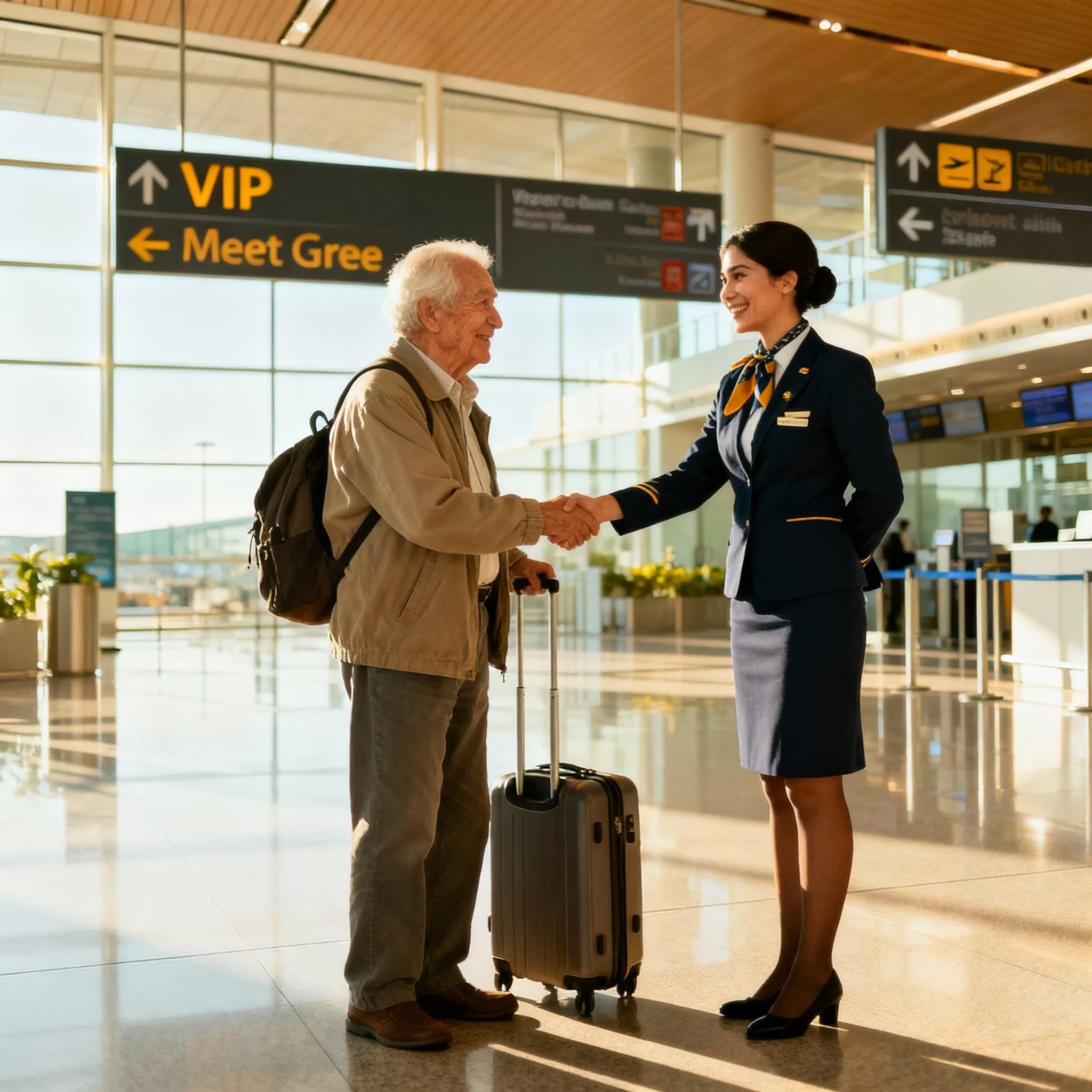
Specialist meet-and-greet services — offered by providers like Airporteo at major airports worldwide — go beyond standard airport assistance. A dedicated professional meets the passenger at the gate or terminal entrance, accompanies them through every checkpoint, handles luggage, and delivers them to their vehicle or to their next flight. For families traveling with a passenger who has complex needs, this service provides both practical support and genuine peace of mind.
Accessible Security Procedures
Airport security is one of the most stressful points in the journey for passengers with disabilities. Airports have implemented several measures to make screening accessible, consistent, and dignified.
Priority Security Lanes
Most major international airports provide dedicated priority security lanes for travelers with disabilities, reducing wait times and removing the pressure of crowded queues. Access is typically arranged through pre-booked assistance or at the request of escorting staff.
Sensitive Screening Procedures
Security staff are trained to handle screening with sensitivity for passengers with medical devices, prosthetics, or mobility aids. Alternative screening methods — including manual pat-downs or private screening rooms — are available on request without penalizing the passenger.
Clear Communication at Checkpoints
For passengers with hearing impairments, visual aids and written instructions are provided at security checkpoints. Staff at most international airports are trained to offer verbal guidance and physical assistance for visually impaired travelers, ensuring the process is understood rather than simply endured.
Visual and Auditory Accessibility Enhancements
For passengers with sensory impairments, the airport environment — with its noise, crowds, and constant change — presents a particular challenge. Airports are investing in technology and design to address this directly.
Hearing Loops and Subtitled Announcements
Hearing loops are now standard in many airport terminals, helping passengers with hearing aids receive announcements clearly in noisy environments. Some airports have begun adding subtitles to flight information displays and public screens to ensure deaf passengers receive the same information as everyone else.
Tactile Signage and Braille
Tactile floor markings and Braille signage throughout terminals guide visually impaired travelers independently to check-in counters, gates, and essential facilities. The quality and consistency of these systems vary significantly between airports — leading hubs in Europe and Asia tend to be furthest ahead.
Assistance Animals
Passengers traveling with guide dogs or other registered assistance animals are welcome at airports, which offer dedicated relief areas and comfort spaces during layovers. Most major international airports have formal policies governing assistance animal access throughout the terminal and on connecting flights.
Accessible VIP Lounges and Services
For travelers who need both comfort and support, accessible VIP lounges offer a quiet alternative to the main terminal. The best lounges at major airports are designed from the ground up with accessibility in mind rather than retrofitted as an afterthought.
Wheelchair Access and Adapted Facilities
Modern VIP lounges feature wide aisles, accessible restrooms, and furniture arrangements that accommodate wheelchair users comfortably. Staff are trained to assist with food service, mobility support within the lounge, and any personal requirements during the stay.
Private Rooms for Rest and Recovery
A number of premium lounges offer private rooms where travelers with disabilities — or those who simply need a low-stimulation environment — can rest away from the noise and movement of the main lounge space. This is particularly valuable for passengers with cognitive disabilities or those recovering from illness.
Support for Travelers with Cognitive Disabilities
Airports are increasingly recognizing that disability is not only physical. Travelers with autism, dementia, anxiety disorders, or other cognitive conditions face distinct challenges in the airport environment — challenges that are less visible but no less real.
Quiet Rooms and Sensory Spaces
Designated quiet rooms and sensory-friendly spaces are now available at a growing number of airports, offering a calm, low-stimulation environment away from the main terminal. These spaces have become particularly valued by families traveling with autistic children or adults who are overwhelmed by the airport environment.
Staff Training and Awareness
Airport personnel are increasingly trained to recognize and respond appropriately to travelers with cognitive disabilities — offering patient, clear communication, avoiding assumptions, and providing personalized guidance through confusing or stressful situations without drawing unnecessary attention to the passenger.
Simplified Wayfinding
Signage and wayfinding systems are being redesigned with cognitive accessibility in mind — using simple language, clear symbols, and consistent color coding to help passengers navigate independently without relying on staff for every decision.
Digital Innovations for Enhanced Accessibility
Technology is reshaping accessibility faster than physical infrastructure ever could. The best digital tools remove barriers before the passenger even arrives at the airport.
Accessible Mobile Apps
Airport apps now increasingly include accessibility features — voice commands, text-to-speech, high-contrast modes, and real-time gate and terminal information designed for users with visual or cognitive impairments. The best apps allow passengers to pre-arrange assistance, track their greeter, and communicate with support staff without needing to navigate crowded information desks.
Accessible Self-Service Kiosks
Check-in and baggage drop kiosks are increasingly designed with accessibility built in — voice assistance, Braille keypads, adjustable screen heights for wheelchair users, and simplified interfaces that reduce the cognitive load of self-service check-in. The gap between accessible and standard kiosks is narrowing at the world’s leading airports.
Frequently Asked Questions
How do I request special assistance at an airport?
Contact your airline directly when booking your flight and request special assistance at the same time. Most airlines automatically pass this information to the airport. You can also contact the airport directly through their accessibility or passenger services team. For a more personalized and guaranteed experience, specialist providers like Airporteo can be booked independently and will coordinate your entire airport journey — arrival, departure, or connection — with a dedicated personal greeter.
Is airport assistance free for passengers with disabilities?
Basic assistance provided by the airport or airline — including wheelchair service, escort through security, and boarding assistance — is free of charge under EU regulations for flights within Europe and under equivalent rules in most other major markets. Premium meet-and-greet services provided by specialist companies are priced separately and offer a higher level of personal, continuous support.
Can I book airport assistance for someone else traveling alone?
Yes. Many families and carers book airport assistance on behalf of a family member traveling independently — an elderly parent, a passenger with dementia, or a traveler with a disability who needs support but is flying alone. Specialist providers like Airporteo handle these bookings regularly. You provide the flight details and the traveler’s needs, and the greeter manages every step at the airport.
What is the difference between airport special assistance and a meet and greet service?
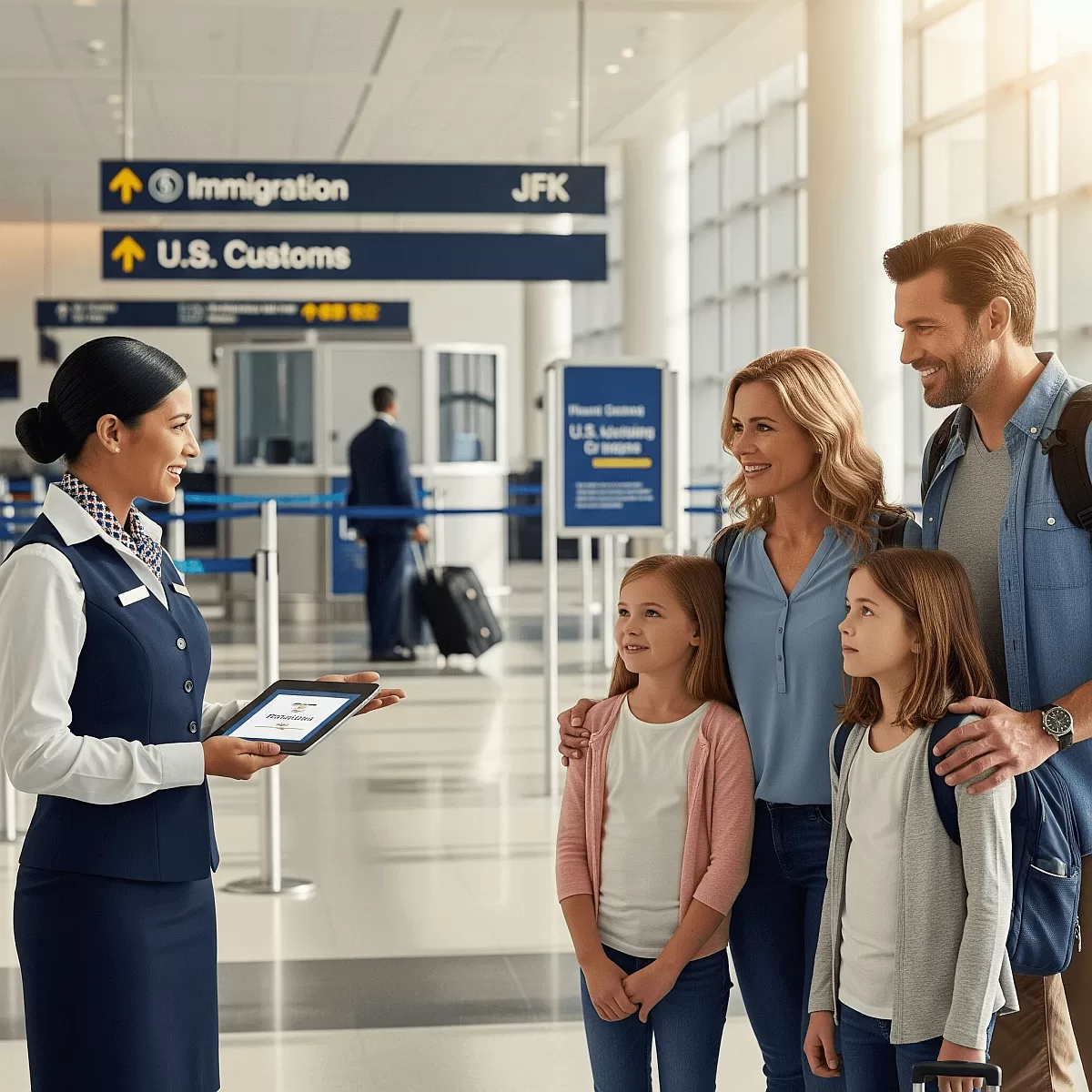
Airport special assistance — provided by the airport or airline — covers the basics: a wheelchair if needed, escort through security, and priority boarding. It is reactive and standardized. A meet-and-greet service from a specialist provider is proactive, personalized, and continuous — a dedicated professional meets your passenger at the gate, handles luggage, navigates immigration and customs, and stays with them until they reach their vehicle or next flight. The level of attention and flexibility is significantly higher.
Which airports are the most accessible in the world?
Consistently highly rated airports for accessibility include Singapore Changi, Amsterdam Schiphol, Tokyo Haneda, and several of the major Nordic hubs. In Europe, Frankfurt, Zurich, and Copenhagen are well regarded. Accessibility standards vary significantly — a specialist greeter service removes the variability by providing consistent personal support regardless of the airport’s own infrastructure.
Can passengers with autism or sensory sensitivities get support at airports?
Yes. A growing number of airports offer quiet rooms, sensory-friendly spaces, and staff trained in autism awareness. Some airports — including Manchester and Copenhagen — have introduced dedicated autism-friendly programs with pre-visit familiarisation tools, lanyards to signal hidden disabilities, and priority access through busy checkpoints. A personal greeter is also highly effective for passengers with sensory sensitivities, providing a calm, familiar point of contact through an otherwise unpredictable environment.